 Fairhaven Siding
 Roof Repair Built for the Bow Coastline
Homes around Bow sit close enough to the water that the roof over your head is doing a different job than a roof forty miles inland. Salt-laden air, near-constant moisture, and long stretches of shade from surrounding fir and cedar cover create conditions that wear roofing materials down faster and in different ways than a typical dry-climate repair job. We repair roofs in this area regularly, and the patterns we see here are consistent enough that we've built our repair process around them rather than treating every call as a blank slate.
This page covers roof repair specifically — not full replacement, not siding, not gutters (though we'll flag when those systems are contributing to the problem, because on a coastal roof they usually are). If your roof is leaking, losing granules, growing moss faster than you can knock it back, or just past its prime, this is what an honest repair looks like.
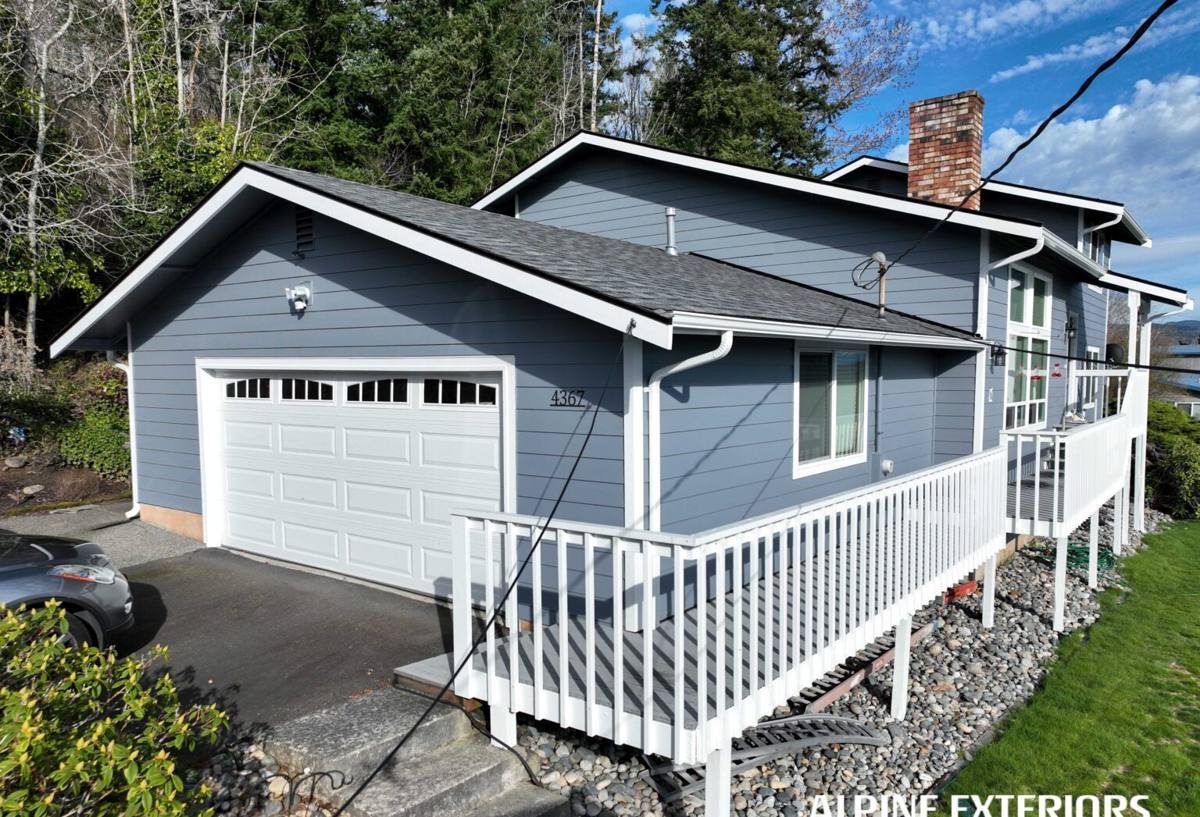
Why Bow-Area Roofs Fail Differently
Three regional factors drive most of the repair calls we get in this part of Whatcom County:
Salt Air
Proximity to Bellingham Bay and the broader Salish Sea means airborne salt settles on roofing materials and accelerates corrosion on anything metal — flashing, fasteners, valley metal, vent caps, and drip edge. Galvanized fasteners that would last decades inland can start showing rust streaks and pinholing years earlier out here. Once a fastener corrodes, the seal around it fails, and that's an entry point for water long before the surrounding shingle or panel shows any visible wear.
Driving Rain
Storms off the water rarely fall straight down. Wind-driven rain gets pushed sideways under shingle tabs, around poorly lapped flashing, and into any gap that a calm-weather rain would never find. A roof that's "fine" in a light drizzle can leak badly in a sideways November storm. This is why we inspect laps, overlaps, and flashing direction as carefully as the field material itself — a repair that only addresses the visible hole and ignores wind exposure tends to leak again at the next storm.
Long Moss Season
Shade, moisture, and mild temperatures make this one of the best moss-growing climates in the country — which is bad news for a roof. Moss holds water against the surface, lifts shingle edges as it grows under the tabs, and works its root structure into the granule layer. Left unmanaged for a few seasons, moss doesn't just look bad — it actively shortens the life of the roofing material underneath it and is a direct cause of a large share of the leaks we repair.
What a Correct Roof Repair Actually Involves
A roof repair that holds up out here needs to do more than patch the spot where water is currently showing up inside the house. Water travels along the roof deck before it drips through, so the entry point and the leak point are often several feet apart. Our repair process is built to find the real source before any material gets replaced.
- Full inspection, not spot-check: we look at the whole roof plane, not just the area over the stain on your ceiling
- Flashing and fastener check: given how fast corrosion moves here, we check valley metal, step flashing, and exposed fasteners even if that's not where the reported leak is
- Underlayment condition: if underlayment is compromised near the repair area, patching just the surface layer won't hold
- Moss and debris removal: clearing growth and organic buildup before repair so the fix isn't undermined within a season
- Ventilation and moisture check: trapped attic moisture accelerates deck rot and can mimic or worsen a roof leak
- Matching materials: repairs use materials that match the existing roof's age, profile, and exposure, not just whatever's closest
Common Repair Scenarios We See Around Bow
Wind-Driven Leaks at Valleys and Flashing
Valleys are where two roof planes meet and where the largest volume of water concentrates during a storm. Combined with wind off the water, a valley with aging or improperly lapped flashing is one of the most common leak points we find. The fix usually involves replacing the flashing and re-lapping the surrounding shingles correctly, not just sealing the surface with caulk.
Moss-Related Shingle Lift
When moss has been established for a year or more, it's often lifted shingle tabs enough that wind and rain can get underneath even after the moss is cleared. These sections typically need shingle replacement, not just a moss treatment, or the leak will return.
Corroded Fasteners and Vent Boots
Rubber vent boot collars and the nails holding them down are common failure points in salt-air environments. The rubber cracks with age and UV exposure, and the fasteners underneath corrode. This is a small, affordable repair when caught early — and a much bigger one if it's allowed to leak into the attic for a season or two first.
Deck Rot at Chronic Leak Points
If a leak has been active for a while before anyone calls us, the plywood or OSB roof deck underneath can be soft or delaminating. This has to be addressed as part of the repair — patching shingles over a rotted deck section doesn't create a stable, watertight repair no matter how well the surface work is done.
Diagnosing the Right Fix: Repair, Patch, or Recommend Replacement
Not every roof problem needs the same level of intervention, and part of doing this job honestly is telling you which category yours falls into before any work starts.
| Situation | Typical Approach | What Drives the Decision |
|---|---|---|
| Isolated leak, roof under ~15 years old, sound deck | Targeted repair | Localized damage, remaining material still has useful life |
| Moss coverage with early shingle lift | Moss removal + spot shingle repair | Underlying material is intact once growth is cleared |
| Corroded flashing or fasteners, otherwise sound field | Flashing/fastener replacement | Metal components fail before field shingles typically do |
| Multiple leak points, widespread granule loss, roof near end of expected life | Repair now, plan for replacement | Repair buys time but doesn't reset the roof's remaining lifespan |
| Significant deck rot or repeated failures in the same area | Replacement recommended | Repeated repair costs can exceed the value of addressing it once |
We'll walk you through where your roof lands on that spectrum and why, with photos of what we found. If a repair is the right call, that's what we'll recommend — we don't push replacement on a roof that has years of honest service left in it.
Our Repair Process, Start to Finish
- Inspection and diagnosis: a full walk of the roof, not just the reported problem area, with documentation of what we find
- Written scope and estimate: a clear explanation of what needs repair, what's optional, and a straightforward cost range before anything is touched
- Moss and debris clearing: when relevant, done carefully to avoid unnecessary granule loss during cleanup
- Repair work: flashing, fasteners, shingles, or deck sections replaced with matched materials and correct lapping for wind-driven rain
- Cleanup and walkthrough: site cleared of debris and nails, and a review of what was done and why
We don't upsell a repair into a replacement mid-job. If something changes once we're on the roof — say, we find deck rot that wasn't visible from the ground — we stop, show you, and get your go-ahead before proceeding.
Preventive Maintenance That Extends Repair Life
A repair holds up longer when the roof around it is being maintained, and in this climate that maintenance matters more than in drier parts of the state.
- Keep gutters clear so water isn't backing up under the eave edge during heavy rain
- Have moss treated or removed on a regular cycle rather than waiting until it's visibly thick
- Trim back overhanging branches that keep sections of the roof shaded and slow to dry
- Schedule a periodic inspection, especially after a windstorm, even if nothing looks obviously wrong from the ground
- Address small flashing or fastener issues early, before corrosion spreads to surrounding material
Why It Matters That We Already Work This Area
A roofer who mostly works dry, inland roofs and takes an occasional coastal job doesn't have the same instinct for where these roofs actually fail. We know to check valley flashing before we check the field shingles, because out here that's usually where the real problem is hiding. We know moss removal has to happen before repair, not after, or the fix won't last. We know which fastener types hold up against salt air and which ones we'll be back to replace in three years.
That local knowledge shows up in small decisions throughout a repair — the order tasks happen in, the materials we reach for, the spots we double-check even when they're not where you reported the leak. It's the difference between a repair that solves the problem once and one that needs a follow-up call next winter.
Get a Straightforward Estimate
If you're dealing with a leak, visible moss damage, or just want a roof checked before the next storm season, we're happy to take a look and give you a clear, honest assessment — no pressure, no inflated scope. Fill out the form below and we'll get in touch to schedule a time that works for you.