 Fairhaven Siding
 Bellingham Roofs Work Harder Than Most
A roof in Bellingham doesn't get an easy life. Sitting close to the water in Whatcom County means homes here deal with a specific combination of stressors that inland Washington roofs rarely see all at once: salt-laden air drifting in off Bellingham Bay, long stretches of driving, wind-pushed rain, and a moss season that can run eight months or longer in shaded, north-facing yards. Asphalt shingles can absolutely handle this climate, but only when they're installed with those specific conditions in mind. A shingle roof put on the same way you'd do it in a dry inland climate will show problems here years before it should.
This page is about one thing: doing asphalt shingle roofing right for Bellingham homes specifically — what the climate demands, what a correct installation actually involves, and how our process is built around the conditions this part of Whatcom County throws at a roof.
What Bellingham's Climate Actually Does to a Shingle Roof
Salt Air and Corrosion
Homes closer to the water take on airborne salt that settles on roofing hardware over time. It's a slow process, but it accelerates corrosion on exposed metal fasteners, flashing, and vent components that weren't rated for coastal exposure. Over years, corroded fasteners lose grip and flashing seams can pit and fail quietly, long before the shingles themselves look worn.
Driving Rain and Wind-Driven Moisture
Whatcom County doesn't just get rain, it gets rain pushed sideways by wind off the water often enough that standard installation tolerances aren't good enough. Wind-driven rain finds its way under shingles that are improperly lapped, under-sealed at the nail line, or missing proper underlayment at vulnerable points like valleys, eaves, and roof-to-wall transitions. A roof that would be fine in a calmer climate can leak here if those details are cut short.
Moss, Algae, and Prolonged Dampness
Bellingham's mix of marine humidity, tree cover, and long damp seasons is close to ideal growing conditions for moss and algae. Moss doesn't just look bad — its root structure works into shingle granules and butt joints, holding moisture against the roof deck and lifting shingle edges over time. Algae streaking is mostly cosmetic, but heavy moss growth left unaddressed is a real contributor to premature shingle failure on north-facing slopes and shaded roof sections.
What a Correct Installation Actually Involves
A shingle roof is a system, not just a layer of shingles nailed to plywood. Every layer underneath the visible shingle plays a role in whether the roof holds up to Bellingham's specific weather pattern.
Underlayment
We use synthetic underlayment as the standard water-resistant barrier under the shingle field, with self-adhered ice-and-water membrane at the vulnerable spots — eaves, valleys, skylight perimeters, and anywhere wind-driven rain is most likely to find a way in. This isn't an upgrade we push for extra money; in this climate it's the baseline for a roof that's supposed to last.
Flashing
Flashing is where most roof leaks actually start, not in the shingle field. Step flashing at wall intersections, proper valley metal, and corrosion-resistant materials at chimneys and pipe boots matter more here than in drier climates because salt air and constant moisture are working against cheap or reused flashing from day one. We install new flashing as part of a reroof rather than reusing old pieces, and we choose materials rated for coastal exposure.
Ventilation
A shingle roof that can't breathe traps heat and moisture in the attic, which shortens shingle life from underneath — a problem that's easy to miss because it doesn't show up on the surface until it's advanced. Balanced intake and exhaust ventilation keeps the roof deck dry and helps shingles perform closer to their rated lifespan, which matters in a climate that already stacks the odds against them.
Fastening
Correct nail placement, nail count per shingle, and corrosion-resistant fasteners aren't optional details — they're the difference between a roof that holds through a windy winter off the water and one that starts losing shingles in year three. We follow manufacturer fastening specs exactly, not the fastest method.
Choosing the Right Shingle for This Climate
Not every asphalt shingle product is a good match for a marine, moss-prone climate. The table below is a general guide to how common shingle classes compare on the factors that matter most for Bellingham roofs.
| Shingle Type | Wind Performance | Algae/Moss Resistance | Typical Lifespan Here |
|---|---|---|---|
| Standard 3-tab | Lower wind rating | None built in | Shorter end of the range |
| Architectural (laminated) | Higher wind rating | Often available with algae-resistant granules | Longer end of the range |
| Algae-resistant granule shingles | Varies by product line | Built-in copper or zinc granules to slow algae growth | Comparable to standard architectural, with less staining |
| Impact-rated shingles | Reinforced for debris and hail impact | Depends on product line | Similar to architectural, added durability |
For most Bellingham homes, we recommend a laminated architectural shingle with algae-resistant granules as the practical baseline. The wind rating matters given how exposed some lots are to water-driven gusts, and the algae-resistant granules genuinely reduce the black streaking that shows up fast on north-facing and shaded roof planes in this climate. Standard 3-tab shingles still have a place on budget-driven projects, but we'll tell you honestly where that trade-off will show up over time rather than just quoting the cheaper number.
Our Installation Process
- On-site inspection and roof assessment — we look at deck condition, existing ventilation, flashing points, and any moss or moisture damage before quoting anything.
- Honest scope and material recommendation — we explain what your specific roof needs and why, including where corners could be cut and why we won't cut them.
- Tear-off and deck inspection — old roofing is removed down to the deck so we can check for soft spots, rot, or prior water damage that needs to be addressed before new roofing goes on.
- Underlayment and flashing installation — synthetic underlayment across the field, ice-and-water membrane at vulnerable areas, new flashing at all transitions.
- Shingle installation — installed to manufacturer fastening specs, with attention to proper exposure and sealing along ridges, valleys, and edges.
- Ventilation check and correction — intake and exhaust balanced as part of the job, not treated as a separate upsell.
- Final walkthrough and cleanup — magnetic sweep for nails, full site cleanup, and a walkthrough so you know exactly what was done.
Living With a Shingle Roof in Bellingham: Maintenance That Actually Matters
A correctly installed roof still needs some seasonal attention in this climate. Most of it is simple, and skipping it is the most common reason a good roof underperforms its expected lifespan.
- Keep gutters clear of needles and debris so water has somewhere to go, especially during fall and winter rain
- Trim back overhanging branches to reduce shade, debris load, and moss-friendly dampness on the roof surface
- Address moss growth early with proper treatment rather than pressure washing, which can strip granules and shorten shingle life
- Have flashing and roof penetrations checked periodically, since that's where coastal air does the most quiet damage
- Watch for granule buildup in gutters, which can signal a shingle surface that's wearing faster than expected
- Schedule a professional inspection after major windstorms off the water, even if nothing looks obviously wrong from the ground
Signs Your Roof Needs Attention Sooner Rather Than Later
Some warning signs are easy to miss from the ground, especially on a roof that still looks fine at a glance. Watch for these:
- Dark streaking or thick moss growth concentrated on shaded or north-facing slopes
- Curling, cupping, or lifted shingle edges, particularly after a windy winter
- Rust staining around flashing, vent boots, or metal fasteners
- Granules collecting in gutters or at downspout outlets in noticeable amounts
- Any staining or discoloration on interior ceilings, which usually means water has already found a way in
What Affects the Cost of a Bellingham Shingle Roof
Every roof is priced based on its own specifics, but a few factors consistently move the number for homes in this area.
| Factor | Why It Matters Here |
|---|---|
| Roof pitch and complexity | Steeper or more cut-up roofs take longer to flash correctly and require more careful moisture detailing |
| Deck condition under old roofing | Moisture-related deck repair is more common here than in drier climates and isn't visible until tear-off |
| Shingle class chosen | Algae-resistant and higher wind-rated shingles cost more upfront but hold up better to local conditions |
| Flashing and ventilation scope | Homes with older or minimal ventilation often need corrective work bundled into the reroof |
| Roof access and site conditions | Tree cover, tight lots, and steep terrain around some Bellingham properties can affect labor and setup |
Rather than quote a flat number that ignores your actual roof, we walk the property first and give you a scope-based estimate so you know what you're paying for and why.
Why It Matters to Hire a Crew That Already Works Bellingham
A roofing crew that mostly works drier, inland areas can still install a technically correct roof — but they may not default to coastal-grade flashing, algae-resistant shingle options, or the underlayment coverage this climate calls for, simply because it isn't second nature to them. A crew that regularly works Bellingham and the surrounding Whatcom County coastline treats those details as standard practice, not upgrades to be asked for. That familiarity shows up in fewer callbacks, fewer surprise leaks after the first hard windstorm, and a roof that's built for the weather it will actually face rather than the weather most manufacturer specs are written around.
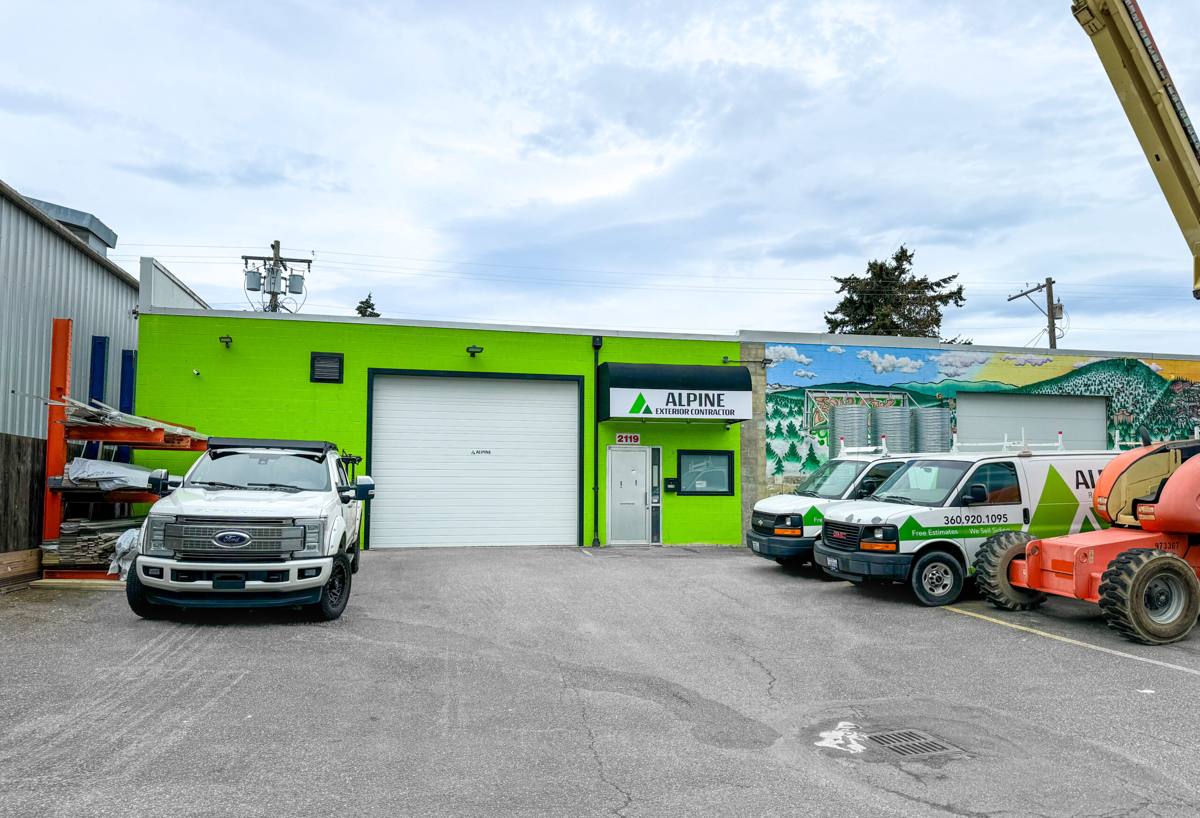
We're based in the Fairhaven area and do this work throughout Bellingham regularly, which means we're not guessing at what this climate does to a roof — we're accounting for it from the first estimate.
Get a Straightforward Estimate
If your Bellingham home needs a new asphalt shingle roof, or you're not sure whether your current one is holding up the way it should, we're happy to take a look. The estimate is free, there's no pressure, and we'll give you an honest read on what your roof actually needs — nothing more, nothing less. Use the form below to get started.