 Fairhaven Siding
 Roofing in York: A Neighborhood That Puts Roofs to the Test
York sits close enough to the water that salt air is simply part of daily life, and that changes how a roof ages. Add in Whatcom County's long wet season, frequent driving rain off the water, and a moss season that can run most of the year in shaded spots, and you have a climate that is genuinely harder on roofing than most inland areas realize. A roof that's rated for "Pacific Northwest weather" in a catalog isn't automatically the right fit for a specific York lot — the exposure, tree cover, and roof pitch on that particular property matter just as much as the material.
When we install a new roof in this neighborhood, we're not just matching shingles to a house. We're accounting for how wind-driven rain behaves on a given roof plane, how much moss pressure the north-facing sections will see, and how metal fasteners and flashing will hold up with salt in the air year-round. This page walks through what that actually means for a York roof replacement — not generic roofing advice, but the specific decisions that come up on jobs in this part of Fairhaven.
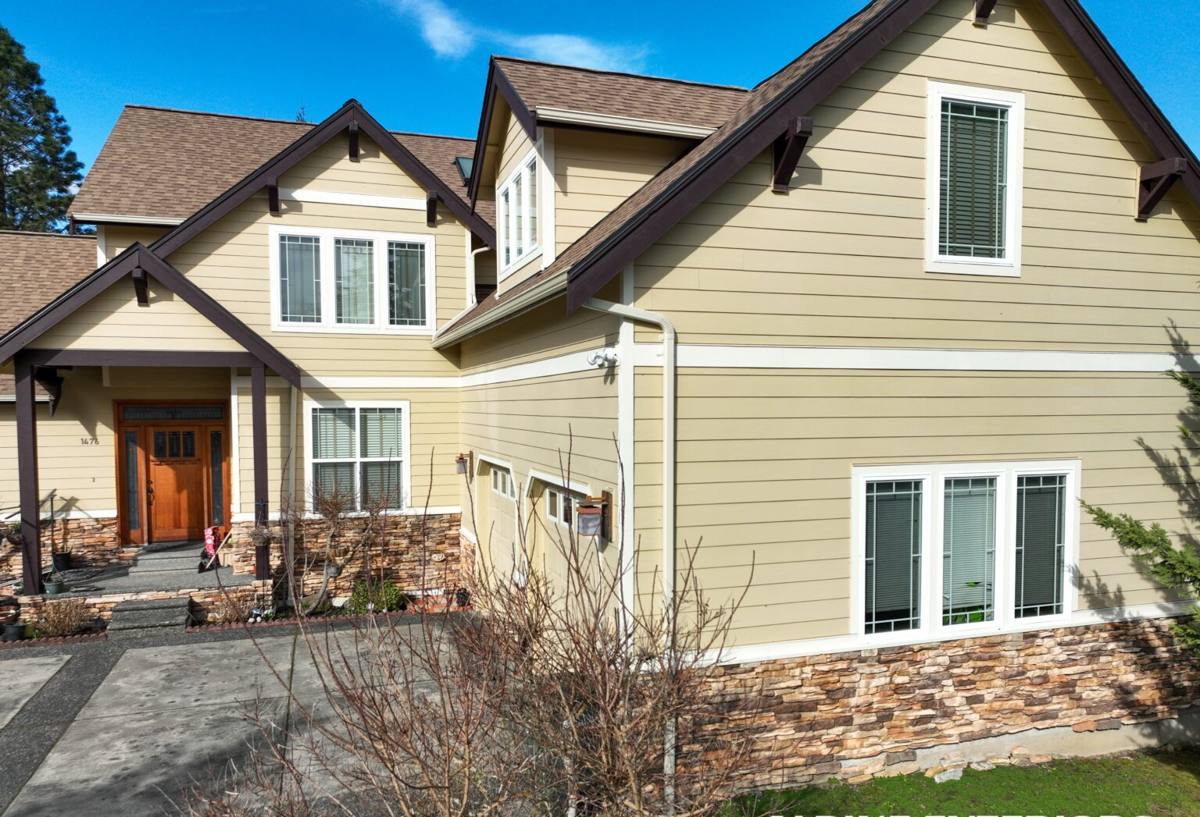
What Salt Air and Driving Rain Do to a Roof Over Time
Two conditions do most of the damage to roofs in this area, and they work differently:
Salt Air and Corrosion
Airborne salt accelerates corrosion on any exposed metal — nail heads, flashing, drip edge, gutter hardware, and the fasteners holding shingles or panels down. Standard galvanized fasteners can start showing rust streaks years before they would inland. This is why fastener and flashing material selection matters more here than in a lot of other parts of Whatcom County — it's often the first thing to fail, long before the roofing material itself wears out.
Driving Rain and Wind-Driven Water
Fairhaven's exposure means rain doesn't always fall straight down — wind off the water pushes it sideways, which forces water up and under laps, around vents, and against vertical walls where roof meets siding. A roof that would perform fine in a calmer inland setting can leak here if the underlayment, flashing details, and ice-and-water shield placement weren't built for wind-driven moisture specifically. This is one of the most common root causes we find when we're called out to chase a leak on an older York roof — not a bad shingle, but a flashing detail that was never designed for the way rain actually hits that particular roof.
Moss: The Slow Damage Nobody Notices Until It's Expensive
Moss season in this part of the county can stretch across most of the year on shaded, north-facing, or tree-covered roof sections. Moss itself doesn't just sit on top of shingles — it holds moisture against the roofing material, lifts shingle edges as it grows, and works its way under laps over time. Left unchecked for years, it shortens the life of even a well-installed roof.
A new roof installation is the right moment to get ahead of this, because we can build in moss resistance from day one — zinc or copper strips at the ridge, material choices that resist moss growth better, and attention to the roof sections that get the least sun. Retrofitting moss control onto an old roof is far less effective than designing for it from the start.
What a Correct Roof Installation Involves
A roof replacement is more than swapping old shingles for new ones. The parts that actually determine how long a roof lasts in this climate happen underneath the visible surface:
- Tear-off and deck inspection — removing the old roofing down to the deck and checking for soft spots, rot, or delamination before anything new goes down
- Deck repair — replacing any damaged sheathing rather than roofing over it
- Ice-and-water shield — installed at eaves, valleys, and vulnerable transitions, which matters more here given how much wind-driven rain this roof type sees
- Synthetic underlayment — a water-resistive layer across the full deck, not just the high-risk zones
- Flashing at every penetration and wall transition — chimneys, vents, skylights, and roof-to-wall junctions, using corrosion-resistant materials suited to salt air
- Proper fastener selection — corrosion-resistant fasteners rated for coastal exposure, not standard-grade hardware
- Ventilation check — confirming intake and exhaust venting is balanced, since trapped moisture under the roof deck accelerates rot and shortens shingle life
- Roofing material installation — installed to manufacturer spec, with attention to nailing pattern and exposure, since improper installation is what voids most warranties
Skipping or rushing any one of these steps is usually where premature roof failures start — and it's rarely visible from the ground once the job is finished, which is exactly why the contractor's process matters as much as the shingle brand.
Choosing the Right Roofing Material for a York Home
There's no single "best" roofing material for this area — the right choice depends on the home's exposure, roof pitch, budget, and how much moss and salt exposure that specific roof will see. Here's how the common options compare for this climate specifically:
| Material | Performance in Salt Air / Rain | Moss Resistance | Typical Lifespan |
|---|---|---|---|
| Architectural asphalt shingles | Good, with corrosion-resistant fasteners and proper flashing | Moderate — benefits from zinc strips on shaded sections | 25–30 years |
| Standing seam metal | Very good when finished and fastened correctly for coastal exposure | High — sheds moss more easily than shingles | 40–60 years |
| Cedar shake | Requires more upkeep in wet, moss-prone conditions | Low without regular treatment and cleaning | 20–30 years with maintenance |
| Synthetic/composite shingles | Good — resists moisture absorption well | Moderate to good depending on product | 30–50 years |
For most York homes, we lean toward architectural asphalt or standing seam metal because both hold up well against the combination of salt air and driving rain when installed with the right flashing and fastener details. Cedar shake can still be the right call for homeowners who want that look and are willing to keep up with maintenance — we just make sure that trade-off is understood up front, not discovered five years in.
Our Process for a York Roof Replacement
1. On-Site Inspection and Estimate
We walk the roof and attic space, note the exposure direction, existing moss and moisture patterns, ventilation setup, and deck condition, then put together a written estimate with material options.
2. Material Selection
We go over the trade-offs for that specific roof — pitch, sun exposure, budget, and how much of a factor moss and salt air will realistically be on that property — so the homeowner picks a material with full information, not a sales pitch.
3. Tear-Off and Deck Assessment
Old roofing comes off, the deck gets inspected and repaired where needed, and we flag anything unexpected before moving forward.
4. Underlayment, Flashing, and Ventilation
This is where the climate-specific work happens — ice-and-water shield, full underlayment coverage, corrosion-resistant flashing at every penetration, and a ventilation check.
5. Roofing Installation
Material goes down to manufacturer spec with corrosion-resistant fasteners throughout.
6. Final Walkthrough
We inspect the completed roof with the homeowner, cover care and moss-prevention basics, and provide warranty documentation.
Why a Crew That Already Works York Makes a Difference
A contractor who works this specific area regularly already knows which roof orientations in Fairhaven take the worst of the wind-driven rain, which tree-covered lots need extra moss prevention, and which fastener and flashing upgrades are worth the cost here versus in a drier inland neighborhood. That local pattern recognition shows up in fewer callbacks and a roof that's actually built for the conditions it will face, not just built to a generic spec sheet. It also means faster response if something does come up after installation — we're not driving in from out of the area to take a look.
Signs Your Current Roof May Need Replacement, Not Repair
- Shingles that are cupping, curling, or losing granules across large sections
- Persistent moss regrowth even after cleaning, especially on north-facing slopes
- Soft spots or sagging when walking the roof or viewing from the attic
- Daylight visible through the roof deck from inside the attic
- Repeated leaks in different spots after previous patch repairs
- A roof approaching or past the manufacturer's expected lifespan for its material
If only one or two of these apply and the roof is otherwise sound, a repair may still make sense. If several apply, replacement is usually the more cost-effective long-term choice, since repeated patch repairs on a failing roof tend to cost more over time than one correctly done installation.
Get a Straightforward Estimate
If you're weighing repair versus replacement, or you're just planning ahead for a York-area home, we're happy to take a look and give you an honest read on where your roof stands. Use the form below to request a free, no-pressure estimate.