 Fairhaven Siding
 Windows Built for Silver Beach's Marine Climate
Silver Beach sits close enough to the water that its homes take a different kind of weather beating than houses just a few miles inland. Salt-laden air, wind-driven rain off the Salish Sea, and a moss season that can run half the year all put extra stress on window frames, seals, and the wood or siding around them. Windows that would be fine in a drier part of Whatcom County can fail early here if they weren't built, or installed, with this specific exposure in mind.
A window installation in this neighborhood isn't just about swapping old glass for new. It's about choosing materials that tolerate salt and moisture, and installing them with flashing and sealing details that keep water out of the wall long after the crew has left.
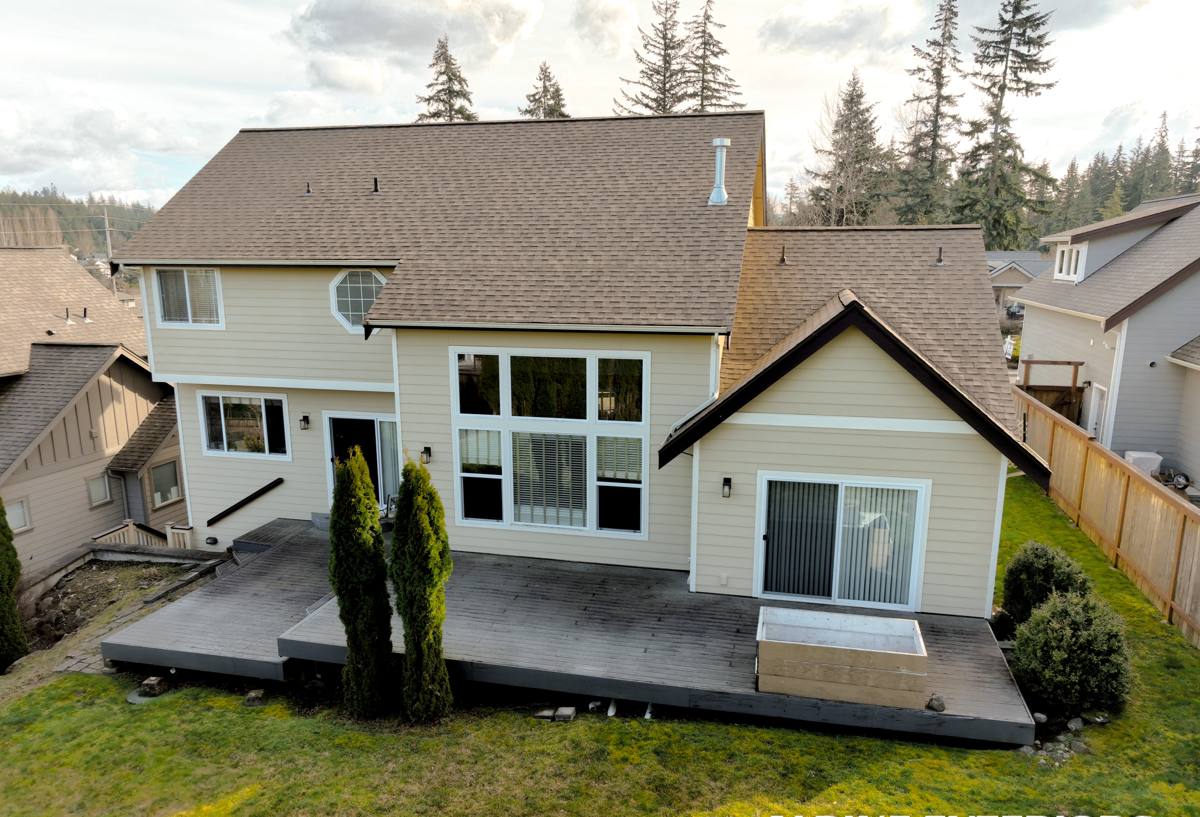
What Driving Rain and Salt Air Do to Windows Over Time
Wind-Driven Rain
Fairhaven's storms don't just fall straight down — wind pushes rain sideways against the building envelope, driving water into any gap around a window frame. Over years, even a small flashing mistake lets moisture behind the trim, where it can rot sheathing or framing long before anyone notices a leak indoors.
Salt Air
Proximity to the water means airborne salt settles on everything, including window hardware, screens, and metal cladding. Salt accelerates corrosion on hinges, locks, and fasteners, and it can degrade certain finishes faster than manufacturers' standard warranties anticipate for inland installations.
Moss and Sustained Dampness
The long moss season here means extended stretches where wood trim, sills, and the area around windows simply stay damp. Moss and algae hold moisture against surfaces, which is hard on paint, caulking, and any wood components that aren't properly primed and sealed on all sides — including the back side, which is often skipped.
Signs Your Silver Beach Home Needs New Windows
Not every window problem calls for full replacement, but these are the signs worth taking seriously in this climate:
- Fogging or a permanent haze between panes — the seal has failed and the insulating gas is gone
- Soft or discolored wood at the sill or bottom corners of the frame
- Windows that are hard to open, close, or lock — frames can swell or warp with repeated wetting and drying
- Visible gaps, drafts, or daylight around the frame when the window is closed
- Paint that keeps failing on the exterior trim no matter how often it's redone
- Condensation forming on interior glass or sills during cold, wet stretches
- Rust streaks or corrosion on hardware, cranks, or metal cladding
What a Correct Window Installation Actually Involves
The window itself is only part of the job. In a location like Silver Beach, the installation details around the window matter as much as the product.
Removal and Opening Inspection
Once the old window is out, the opening gets inspected before anything new goes in. This is the one chance to catch rotted framing, failed old flashing, or moisture damage that's been hidden behind trim — problems that are far cheaper to fix now than after a new window is sealed over them.
Flashing and Weather-Resistive Barrier
Proper flashing directs water down and out and away from the sheathing, not into it. This means correctly lapped flashing tape at the sill, jambs, and head, tied into the house's weather-resistive barrier in the right order — sill first, then jambs, then head, so water always sheds over the layer below it rather than behind it.
Air Sealing and Insulation
The gap between the window frame and the rough opening needs to be sealed and insulated correctly — not stuffed too tight, which can bow the frame, and not left loose, which allows air leakage and condensation inside the wall cavity.
Exterior Trim and Finish
Whatever trim or cladding goes back around the window needs to be finished on all exposed edges and, where applicable, primed on the back side too. Skipping the back side is a common shortcut that looks fine on install day and fails quietly a few winters later.
Choosing the Right Window Materials for This Climate
Material choice matters more here than in a dry inland location. Here's how the common options generally compare for a coastal, high-moisture setting like Silver Beach:
| Material | Moisture & Salt Tolerance | Maintenance | Typical Trade-Off |
|---|---|---|---|
| Vinyl | Good — won't rot or corrode | Low | Frame can flex in large sizes; color options more limited |
| Fiberglass | Very good — stable and corrosion-resistant | Low | Higher upfront cost than vinyl |
| Wood-clad (metal or composite exterior, wood interior) | Good on the exterior face if cladding is sound; interior wood needs a dry, sealed environment | Moderate | Any breach in the cladding can trap moisture against the wood core |
| Bare or painted wood | Poor without diligent upkeep in salt air and long wet seasons | High | Requires frequent repainting and sealing to hold up here |
| Aluminum | Fair — can corrode over time in salt air unless properly finished | Low to moderate | Poor insulator unless thermally broken |
We steer most Silver Beach homeowners toward vinyl or fiberglass for straightforward, low-maintenance performance, and toward well-finished wood-clad options when the look calls for it and the homeowner is comfortable with the added upkeep. We generally advise against bare wood frames on directly exposed elevations here — not because wood windows are a bad product everywhere, but because the maintenance schedule this climate demands is more than most homeowners want to keep up with.
Glass and Coating Options Worth Considering
Beyond the frame, the glass package affects both comfort and durability:
- Low-E coatings reduce heat loss and help control condensation on interior glass during cold, damp stretches
- Argon or krypton gas fills improve insulation value between panes
- Dual or triple pane construction matters more for comfort and condensation control than for salt resistance specifically
- Corrosion-resistant hardware — locks, cranks, and hinges rated for coastal exposure hold up noticeably longer than standard hardware here
Our Process, Start to Finish
- On-site assessment of your current windows, framing condition, and exposure on each elevation of the house
- Honest recommendation on materials and glass packages suited to your home's specific exposure to wind, rain, and salt
- Clear, itemized estimate before any work begins — no surprise add-ons
- Careful removal, with an opening inspection before the new window goes in
- Correct flashing sequence, air sealing, and insulation around every unit
- Exterior trim and finish work completed and sealed on all exposed surfaces
- Final walk-through so you know how to operate, clean, and maintain your new windows
What Affects the Cost of a Window Installation Here
| Factor | Why It Matters in Silver Beach |
|---|---|
| Number and size of openings | More or larger windows mean more material and labor |
| Frame material | Fiberglass and clad-wood cost more upfront than vinyl but often less over the long run in maintenance |
| Condition of existing framing | Rot or water damage found during removal adds repair work before the new window can go in |
| Exposure and elevation | Windows facing prevailing wind and rain may warrant upgraded flashing details or hardware |
| Trim and exterior finish work | Matching existing trim profiles or repainting affected areas adds time |
We give a broad range up front based on a phone description, then firm it up after an in-person look — full-house window replacements typically land anywhere from a few thousand dollars for a single opening to a much larger investment for a whole-house job, depending entirely on the scope above.
Why a Crew That Already Works Silver Beach Matters
A contractor who regularly works this specific stretch of Fairhaven has already seen how salt air, driving rain, and moss season play out on real houses nearby — which elevations tend to take the worst weathering, which flashing details actually hold up, and which materials age well versus poorly in this exact exposure. That local pattern recognition shows up in fewer callbacks and windows that are still performing well a decade in, not just on installation day.
It also means someone who understands Whatcom County permitting and code requirements for window replacement, and who can schedule around this region's wet season rather than being caught off guard by it.
Ready for a Straight Answer on Your Windows?
If your windows are fogging, sticking, drafting, or just showing their age, we're happy to take a look and give you an honest read on what's needed — replacement, repair, or just better maintenance. Fill out the form below for a free, no-pressure estimate.