 Fairhaven Siding
 Asphalt Shingle Roofing Built for Puget's Weather
Puget sits close enough to the water that homes here take a different kind of beating than roofs even a few miles inland. Salt-laden air moves through the neighborhood on a regular basis, wind-driven rain comes in sideways more often than straight down, and the tree cover that makes this part of Fairhaven so pleasant also means shaded, damp roof surfaces for a good chunk of the year. Asphalt shingles can absolutely handle this climate — but only when they're specified, installed, and maintained with these specific conditions in mind. A shingle roof that would be perfectly fine in a drier, sunnier part of Whatcom County can underperform here if it's treated like a generic install.
This page covers what asphalt shingle roofing actually needs to hold up in Puget specifically: the material choices that matter, the parts of the job that are easy to shortcut, and what a maintenance rhythm should look like once the roof is on.
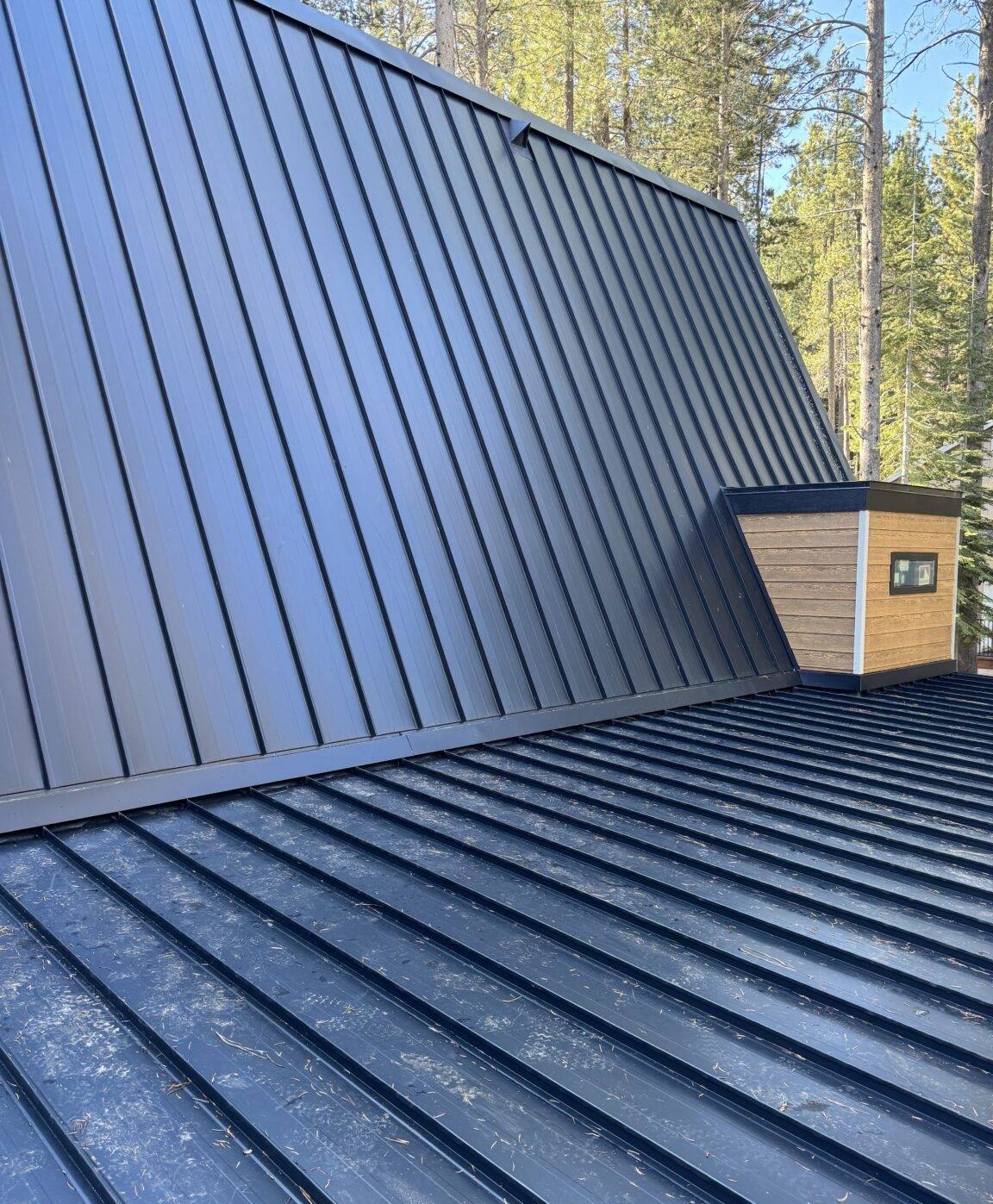
What Salt Air, Rain, and Moss Actually Do to a Shingle Roof
Salt Air and Metal Components
Asphalt shingles themselves tolerate salt exposure reasonably well, but the metal that goes along with them — nails, flashing, drip edge, vent hoods — does not always fare as well if it's the wrong grade. Salt air accelerates corrosion on standard galvanized fasteners and flashing over time, and once flashing starts to corrode at the seams, water finds a way in long before the shingles themselves show any obvious wear. This is one of the most common failure points we see on roofs near the water, and it's almost never visible from the ground.
Driving Rain and Wind-Driven Water
Straight-down rain is easy for any roof to shed. Wind-driven rain is a different problem — it pushes water sideways and upward under shingle tabs, into exposed nail heads, and along any seam where the underlayment or flashing detail was done to a bare minimum rather than done right. In an exposed area like Puget, the roof's water-shedding details (valleys, step flashing, ridge caps, and the underlayment beneath the shingles) matter as much as the shingles on top.
The Long Moss Season
Whatcom County's damp, mild climate gives moss and algae a long growing window, and shaded or north-facing roof sections in wooded areas like Puget are especially prone to it. Moss isn't just cosmetic — it holds moisture against the shingle surface, works its way under tabs as it grows, and can lift shingles enough to let water underneath. Left unaddressed for a few seasons, a mossy roof section will age noticeably faster than a clean one on the same house.
What a Correct Installation Actually Involves
A shingle roof is only as good as the layers underneath it. In a climate like this one, we treat the following as non-negotiable rather than upgrades:
- Ice-and-water shield at eaves, valleys, and around every penetration — not just where code requires it, but anywhere wind-driven rain is likely to test the seams.
- Synthetic underlayment across the full deck, which holds up better than felt under prolonged damp conditions and gives the roof a reliable second layer of protection.
- Corrosion-resistant flashing and fasteners in areas with regular salt exposure, rather than standard-grade galvanized components that corrode faster near the water.
- Balanced attic ventilation — intake at the eaves and exhaust at the ridge — so moisture from inside the home doesn't condense against the roof deck from below while the outside stays damp above.
- Proper nailing at the manufacturer's specified pattern and depth, since overdriven or underdriven nails are one of the most common causes of early shingle failure and voided warranties.
- Clean valley and step-flashing work at every wall and dormer intersection, done with actual metal flashing rather than shingle-only or caulk-dependent details.
None of this is unusual or exotic — it's simply doing the job to the standard the climate demands instead of the minimum a shingle package technically allows.
Choosing the Right Shingle for a Puget Roof
Not every asphalt shingle product is a good fit for a shaded, damp, salt-exposed roof. The table below compares the main categories homeowners in this area typically weigh.
| Shingle Type | Typical Lifespan | Best Fit for Puget | Trade-offs |
|---|---|---|---|
| 3-tab (standard) | 15-20 years | Budget projects, secondary structures | Lower wind rating, less algae resistance, shows moss/wear sooner |
| Architectural (laminate) | 25-30+ years | Most primary roofs in this climate | Higher upfront cost, but far better wind and moisture performance |
| Algae-resistant (AR) laminate | 25-30+ years | Shaded, tree-covered lots — a common Puget condition | Slight cost premium; copper or zinc granules resist algae/moss growth |
| Impact-rated (Class 4) | 25-30+ years | Optional upgrade, not climate-critical here | Higher cost; more relevant for hail-prone regions than coastal WA |
For most homes in Puget, an architectural shingle with algae-resistant granules is the practical choice — it holds up to wind-driven rain better than a 3-tab product and resists the moss and algae growth that shaded, damp roof sections are prone to here. We'll walk through the specific product lines and warranty terms during your estimate rather than push a one-size-fits-all answer.
Our Process for Puget Homes
1. Inspection and Honest Assessment
We start by getting on the roof, not just looking at it from the driveway. That means checking the deck for soft spots, evaluating flashing condition at every penetration and valley, and looking for the kind of moisture damage that doesn't show up as a ceiling stain until it's already extensive. We'll tell you plainly whether you're looking at a repair, a partial re-roof, or a full replacement — we don't pad the scope.
2. Scope and Material Selection
Once we know the roof's condition, we go over shingle options, underlayment choices, and flashing details together, with the specific exposure of your roof (sun, shade, wind direction, tree cover) factored into the recommendation.
3. Tear-Off and Deck Check
Old roofing comes off down to the deck so we can actually see what's underneath — soft or delaminated sheathing gets replaced before anything new goes down, not covered up.
4. Underlayment, Flashing, and Shingle Install
Ice-and-water shield, synthetic underlayment, and all flashing go in first, in that order, before a single shingle is nailed. This is where most of a roof's actual weather resistance comes from, even though it's the part that's invisible once the job is done.
5. Ventilation Check
We confirm intake and exhaust ventilation is balanced for the attic space, since poor ventilation shortens shingle life from underneath even when the top side looks fine.
6. Cleanup and Walkthrough
Magnetic sweep for nails, full site cleanup, and a walkthrough where we show you what was done and answer questions before we consider the job finished.
Signs Your Puget Roof Needs Attention
Because moss and salt-air corrosion often work slowly and out of sight, it helps to know what to check for:
- Moss or heavy algae growth on shaded or north-facing sections
- Granules collecting in gutters or at downspout outlets
- Shingle tabs that look curled, cupped, or lifted at the edges
- Rust staining below metal flashing, vents, or valleys
- Soft-feeling spots when walking the roof, or sagging visible from the ground
- Daylight visible through the attic roof deck, or damp insulation near the eaves
- Water stains on interior ceilings, especially near chimneys or dormers
Any one of these on its own isn't necessarily an emergency, but a roof showing two or three of them together is usually further along than it looks from the driveway.
Maintenance That Actually Extends Roof Life Here
A well-installed shingle roof in this climate still needs periodic attention because of the moss season and salt exposure. A reasonable rhythm is a visual check each fall before the wet season sets in, moss treatment or gentle removal on shaded sections every year or two, and keeping gutters and valleys clear so water isn't sitting against the shingles longer than it needs to. Pressure washing shingles is not something we recommend — it strips granules and shortens the roof's life rather than extending it. Low-pressure moss treatments and manual clearing are the safer route.
What Roofing Costs Depend On
| Factor | Why It Matters in Puget |
|---|---|
| Roof size and pitch | More surface area and steeper pitches take longer and require more safety setup |
| Shingle grade | Standard vs. architectural vs. algae-resistant changes material cost and long-term performance |
| Deck condition | Rot or soft sheathing found during tear-off adds repair scope before shingles go down |
| Flashing complexity | Valleys, dormers, and chimneys require more detailed (and more time-intensive) flashing work |
| Tree cover and access | Shaded, tight-access lots common in Puget can affect setup and cleanup time |
We give real, project-specific numbers after an on-roof inspection rather than a phone estimate — a roof's condition and access are too variable to price accurately without seeing it.
Why a Crew That Already Works Puget Matters
Roofing crews who work this specific stretch of Whatcom County already know which shingle lines hold up to salt air, which flashing details actually stop wind-driven rain, and which roof orientations in this neighborhood tend to grow moss fastest. That local pattern recognition means fewer surprises during the job and a roof that's built for the conditions it will actually face here, not conditions somewhere drier and more sheltered. It also means someone local you can call in a few years if a question comes up — not a crew that worked the area once and moved on.
If you'd like an honest, on-roof assessment of your asphalt shingle roof in Puget, we're happy to take a look and walk you through what we find — no pressure, no obligation. Use the form below to request a free estimate.