 Fairhaven Siding
 Fairhaven's Marine Climate Doesn't Spare Happy Valley
Happy Valley sits inside the same marine weather system that shapes every neighborhood in and around Fairhaven. Salt-laden air off the water, long stretches of driving rain, and a moss season that can run most of the year all work on a home's exterior whether that home sits three blocks from the water or thirty. Siding here isn't just a cosmetic choice — it's the layer standing between a wood-framed house and a climate that stays damp for months at a stretch.
Whatcom County's weather pattern means siding has to do three jobs at once: shed a lot of water without trapping it, resist the salt exposure that corrodes fasteners and degrades cheaper materials over time, and stand up to moss and algae growth that thrives in shade and moisture. A siding product or installation that skips any one of those three eventually shows it — usually as swelling, staining, soft trim, or paint failure within a few years rather than a few decades.
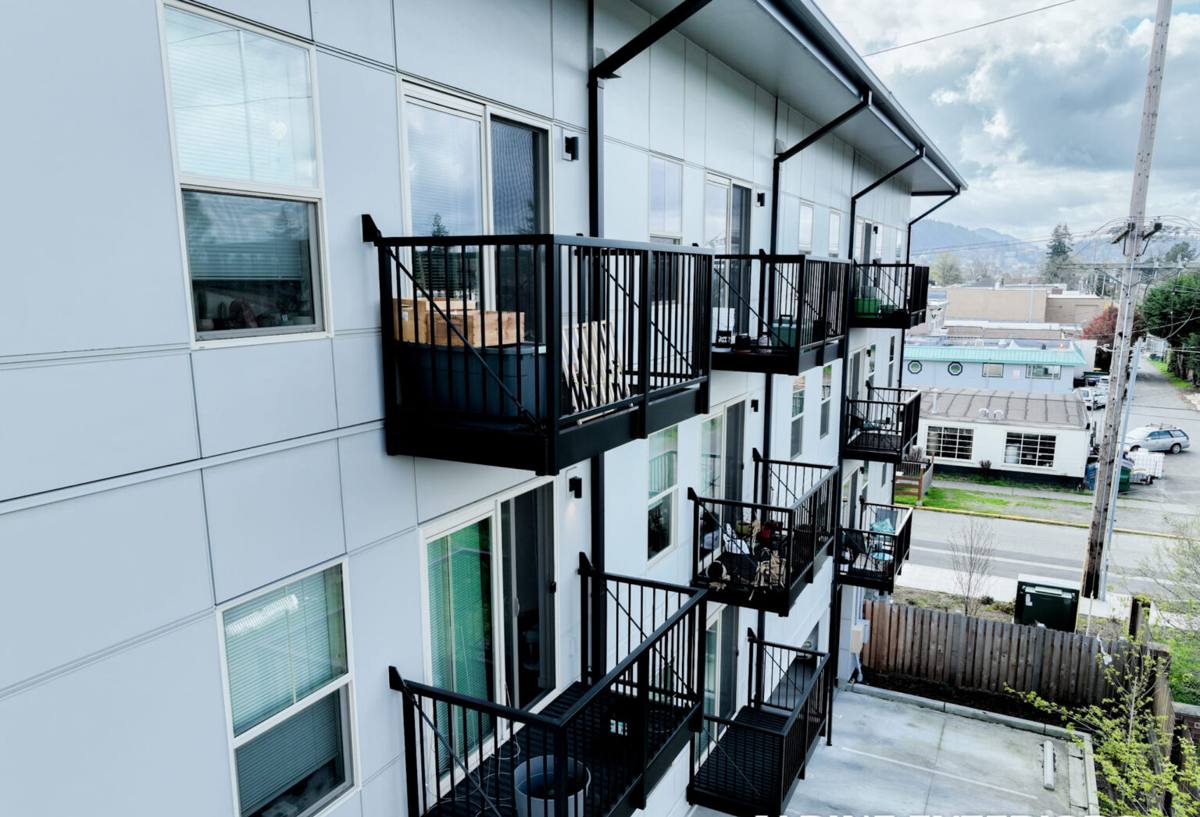
What Happy Valley Siding Needs to Get Right
A siding job that looks fine on installation day can still fail the climate test within a year or two if the details underneath aren't right. In a wet marine environment, those details matter more than they would in a drier climate, because there's simply less time between rain events for anything to dry out.
Moisture Control Behind the Cladding
The siding itself is only part of the system. A correctly built wall assembly includes a weather-resistant barrier, properly lapped flashing at every window, door, and penetration, and a drainage path that lets any moisture that does get behind the siding find its way back out instead of sitting against the wall sheathing. Skipping or rushing this layer is the single most common reason siding fails early in this region — not because the siding material itself was bad, but because water got behind it and had nowhere to go.
Standing Up to Moss and Algae
North-facing walls, areas shaded by trees or neighboring structures, and any spot that stays damp longer than the rest of the house are where moss and algae take hold first. Material choice and finish matter here — a factory-applied finish resists staining far better than a field-applied paint job, and the siding profile itself should shed water rather than hold it in horizontal grooves or joints where moss can get a foothold.
Why We Only Install James Hardie Fiber Cement
We made a deliberate decision to install James Hardie fiber cement siding exclusively, and we don't install vinyl, LP SmartSide, Cemplank, Allura, or unfinished wood siding like primed spruce or cedar. That's not a marketing position — it's a standard we hold because of what we've seen these products do, or fail to do, in exactly the kind of climate Happy Valley sits in.
Vinyl is inexpensive and low-maintenance, but it's a petroleum-based product that expands and contracts with temperature swings, can warp or crack in impact or extreme cold, and simply isn't fire-resistant. LP SmartSide is wood-strand based, which means its long-term performance depends heavily on caulking and paint maintenance staying ahead of moisture — a harder bar to clear in a climate that rains this much, this often. Cedar and primed spruce are beautiful but require real ongoing upkeep — refinishing, caulking, and moisture monitoring — to avoid rot in a marine environment. Cemplank and Allura are fiber cement products like Hardie, but Hardie's ColorPlus factory finish, its HZ5 climate-engineered formulation for the Pacific Northwest, and its long, transferable warranty are the combination we've found holds up best when installed correctly and left to do its job with normal homeowner maintenance.
None of that means the alternatives are junk — most have real strengths in the right application. It means that for the climate Happy Valley homes actually sit in, we'd rather stand behind one product system we trust completely than offer several and hope the cheaper ones hold up.
How We Approach a Happy Valley Siding Project
Every home is different, but the sequence we follow doesn't change, because each step exists to prevent a specific failure we've seen happen when it's skipped.
- Walk the exterior and assess the existing siding, trim, and any visible moisture damage or soft spots before quoting anything.
- Remove old siding and inspect the sheathing underneath — this is where hidden rot or old moisture problems show up, and it needs to be dealt with before new siding goes on, not covered up.
- Install or repair the weather-resistant barrier and flashing at every window, door, and penetration.
- Install James Hardie fiber cement panels or lap siding to manufacturer spec, including correct fastener type, spacing, and clearances from grade, roofing, and other trim.
- Caulk and finish trim details, then walk the completed job with the homeowner before calling it done.
What Affects the Cost of a Happy Valley Siding Job
Every quote is specific to the house, but the same handful of factors drive most of the variation we see between projects in this neighborhood.
| Factor | Why It Matters |
|---|---|
| Home size and wall complexity | More square footage and more corners, gables, or dormers mean more material and more labor-intensive detail work. |
| Condition of the sheathing underneath | Hidden rot or moisture damage found during tear-off has to be repaired before new siding goes on. |
| Full tear-off vs. new construction | Removing and disposing of old siding adds labor and disposal cost compared to siding a new wall. |
| Siding profile and color | Lap siding, panel siding, and shingle-style products carry different material and install costs; standard ColorPlus colors are typically more cost-effective than custom finishes. |
| Site access | Tight lots, slopes, or landscaping close to the house can slow the work and affect equipment access. |
Signs Your Happy Valley Home May Be Due for New Siding
Most siding problems in this climate develop slowly, which makes them easy to miss until they're expensive. A few things worth checking on your own before they turn into a bigger repair:
- Paint that's peeling, bubbling, or failing faster than it used to, especially on north- or shaded-side walls
- Soft or spongy spots when you press on siding or trim, particularly near the bottom of walls and around windows
- Persistent moss or algae growth that comes back quickly after cleaning
- Visible warping, buckling, or gaps between siding panels or boards
- Rising heating bills that aren't explained by anything else, which can point to moisture-compromised insulation behind the siding
- Caulking that's cracked, shrunk, or pulled away from trim and window edges
Why Local Experience Matters in Happy Valley
Whatcom County housing stock spans everything from older homes with original wood siding to newer construction, and Happy Valley has its share of both. A crew that already works this neighborhood knows what's typically hiding under a given era of siding, what the City of Bellingham's permitting and inspection process expects, and how to plan around the wet-season weather windows that determine whether a tear-off can safely stay open overnight without inviting water damage. That familiarity isn't something a crew coming in from outside the area can replicate on day one — it comes from doing the work here repeatedly.
It also means fewer surprises. A local crew has a realistic sense of what a Happy Valley wall assembly is likely to reveal once the old siding comes off, which makes for more accurate quotes and fewer change orders once the job is underway.
Caring for Hardie Siding in a Salt Air, High-Moss Environment
James Hardie siding is built to handle this climate, but "low-maintenance" doesn't mean "no maintenance." A little attention once or twice a year keeps it performing the way it's designed to for decades.
- Rinse the siding with a garden hose once or twice a year to clear salt residue and organic buildup, especially on shaded walls
- Keep gutters clear so water isn't overflowing and running down the siding face
- Trim back vegetation and tree limbs that keep any section of wall shaded and damp longer than the rest of the house
- Check caulking around windows, doors, and trim annually and have any cracked or missing caulk replaced promptly
- Address moss on nearby roofing or hardscape before it spreads onto siding surfaces
- Have any impact damage or cracked panels repaired quickly rather than waiting, since damaged siding is where moisture gets a way in
If you're in Happy Valley and thinking about new siding, we're glad to come take a look and give you a straightforward, no-pressure estimate — no obligation, just an honest read on what your home actually needs.