 Fairhaven Siding
 Board & Batten Siding for Bow Homes
Bow sits in a stretch of Whatcom County where farmland, shoreline, and forest edge meet, and that mix produces a specific kind of weather load on a house. Homes here catch salt-laden air pushing in off Samish Bay and Padilla Bay, take on long stretches of driving rain through the fall and winter, and spend a good part of the year shaded and damp enough to grow moss on anything that holds moisture. Board and batten siding — with its clean vertical lines and strong shadow reveal — is one of the most requested looks for farmhouses, shop-style homes, and newer builds in this area. Done right, it also happens to be a smart technical choice for this climate. Done wrong, it's one of the faster ways to trap water against a wall.
This page is about board and batten specifically, installed on homes in and around Bow. It's not a general overview of siding options — it's what we've learned about getting this particular siding style to hold up in this particular part of Whatcom County.
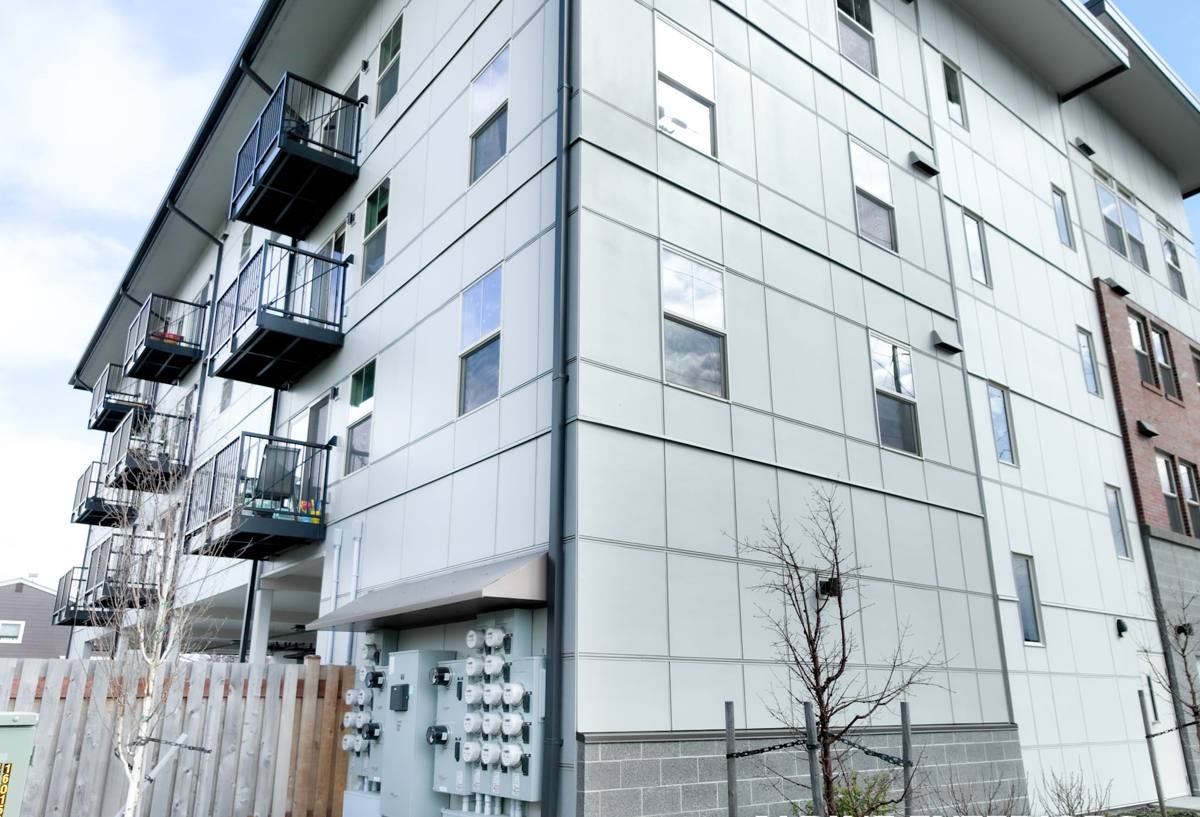
Why Board & Batten Fits the Bow Landscape
Board and batten reads as agricultural and Pacific Northwest at the same time, which is part of why it's such a natural fit out here. The vertical board pattern echoes barn and outbuilding siding that's been part of this valley's architecture for generations, but it also pairs cleanly with the more modern farmhouse and shop-house designs going up on newer lots. It works on full elevations, as an accent over a garage or gable, or mixed with a horizontal lap siding field for contrast.
Beyond looks, the vertical batten pattern has a functional advantage in a high-rainfall area: water sheds down the face of the boards rather than pooling on a horizontal ledge. That's a real benefit — but it only holds up if the assembly behind the boards is built to manage the water that inevitably gets past the surface, which is where a lot of board and batten installations in wet climates go wrong.
What Salt Air, Driving Rain, and Moss Actually Do to This Siding
Salt Air
Proximity to the bay means airborne salt settles on siding, trim, and especially fasteners. Over years, salt exposure accelerates corrosion in anything that isn't rated for it — steel nails and screws, uncoated flashing, and cheap trim hardware all degrade faster near the water than they would twenty miles inland. On board and batten specifically, the battens are fastened at closer intervals than a typical lap course, so there are more fastener penetrations exposed to that salt-laden air over the life of the siding.
Driving Rain
Wind-driven rain doesn't just fall on a wall — it pushes into every seam, batten joint, and butt joint under pressure. Board and batten has more vertical seams per square foot than horizontal lap siding, and each one is a potential water entry point if it isn't caulked, flashed, or backed correctly. A rainscreen gap behind the siding matters more here than on a drier site, because it gives any water that does get past the face a way to drain and dry instead of sitting against the sheathing.
Moss and Sustained Moisture
North-facing walls, shaded elevations near trees, and anywhere airflow is restricted will hold moisture longer in this climate, and moss follows moisture. Moss isn't just a cosmetic problem — it holds water against the siding surface, keeps that section of wall wetter for longer stretches of the year, and accelerates any coating or substrate breakdown underneath it. Siding material and finish matter a lot here: a material that swells, delaminates, or absorbs water when moss sits on it for months at a time will fail faster than one that doesn't.
What a Correct Board & Batten Installation Involves
A lot of board and batten's real-world performance comes down to what's happening behind the boards, not the boards themselves. On every Bow-area project we treat these as non-negotiable:
- A weather-resistive barrier installed and lapped correctly, with all penetrations sealed before the first board goes up
- A rainscreen or drainage gap behind the siding so incidental moisture can drain and the assembly can dry
- Correct, code-compliant flashing at every window, door, roofline, and horizontal transition
- Fasteners rated for the coastal environment — not general-purpose hardware that will corrode faster in salt air
- Proper board and batten spacing and fastening pattern so the assembly can expand and contract without cracking joints or popping fasteners
- Clearance from grade, decks, and roof lines so the bottom courses aren't sitting in standing water or splashback
Skip any one of these and the siding can look fine for a year or two while the real damage happens where you can't see it — behind the boards, at the sheathing.
Why We Install James Hardie for This Application
We install James Hardie fiber cement exclusively, and board and batten is one of the applications where that decision matters most. Fiber cement doesn't absorb and swell with moisture the way wood-based products can, which matters directly for the moss-and-shade problem described above — a section of wall that stays damp for weeks at a time isn't going to warp or delaminate the way some wood-based or engineered wood sidings can under the same conditions. It's also non-combustible, which is a genuine advantage during wildfire season even this far into wet Western Washington, and it holds paint and factory finish far longer than wood substrates exposed to this much rain.
Hardie's ColorPlus finish is baked on at the factory under controlled conditions, which gives it better UV and moisture resistance than field-applied paint, and it comes with a real transferable warranty backing it. For board and batten specifically, Hardie produces dedicated vertical siding panels and trim boards engineered to work together as a system, with installation specs built around real-world coastal and high-rainfall conditions rather than a generic climate assumption.
We don't install LP SmartSide, vinyl, Cemplank, Allura, primed spruce, or cedar board and batten. Each of those has legitimate uses somewhere, but for the specific combination of salt air, driving rain, and extended damp shade that Bow deals with, we've standardized on Hardie because it's the product we're comfortable standing behind long-term on this coastline.
Comparing Board & Batten Material Options for This Climate
| Factor | James Hardie Fiber Cement | Wood / Engineered Wood | Vinyl |
|---|---|---|---|
| Moisture response | Does not swell or rot; stable in sustained damp conditions | Can absorb moisture, swell, or delaminate over time | Doesn't absorb water but expands/contracts with temperature |
| Salt air durability | Fiber cement substrate unaffected; use corrosion-rated fasteners | Coatings and substrate degrade faster near salt exposure | Generally stable, but can become brittle over decades |
| Fire resistance | Non-combustible | Combustible | Combustible; can deform in heat |
| Finish longevity | Factory-baked ColorPlus finish, long warranty | Field-applied paint needs more frequent maintenance | Color molded in but can fade; not repaintable in the same way |
| Typical lifespan when correctly installed | Multiple decades | Shorter, especially in high-moisture climates | Multiple decades, but seams and fasteners are common failure points |
Our Process for a Bow Board & Batten Project
1. On-Site Assessment
We walk the exterior, check the current siding and sheathing condition, look at moisture exposure by elevation (which walls get the most driving rain, which stay shaded and damp), and note any existing moss, staining, or soft spots that point to trapped moisture.
2. Detailing the Water Management Plan
Before we talk about board width or reveal, we plan the weather-resistive barrier, rainscreen approach, and flashing details for every window, door, and roof intersection. This is the part of the job that determines whether the siding lasts.
3. Material and Layout
We spec Hardie panel or board-and-batten trim sizing and layout to fit the home's proportions, then confirm color and finish selections.
4. Installation
Installed to Hardie's published specifications for fastener type, spacing, and clearance — not generic "good enough" carpentry. This is where corrosion-rated fasteners and correct batten spacing matter most given the salt air.
5. Final Walkthrough
We review the finished work with the homeowner, confirm all flashing and sealant details are complete, and go over basic care so the siding performs the way it's designed to for the long haul.
Maintenance Realities for Bow's Climate
Even the right material needs some seasonal attention in this environment. A short annual checklist keeps board and batten performing as designed:
- Rinse road grime, salt residue, and pollen off the siding once or twice a year, especially on walls facing the water or the road
- Keep gutters clear so overflow isn't running down the face of the siding during heavy rain events
- Trim back vegetation and tree cover near shaded walls to cut down on the moss-prone conditions that hold moisture against the surface
- Watch for moss buildup at the base of walls and on north-facing elevations, and clean it off gently before it spreads
- Check caulking at trim and penetrations periodically — sealant is a maintenance item, not a permanent fix
None of this is unique to Hardie, but a stable, moisture-resistant substrate means this maintenance is about keeping the home looking good, not about preventing structural damage to the siding itself.
Why a Crew That Knows Bow Matters
Board and batten installed to a generic national spec doesn't account for the specific combination of conditions Bow deals with — salt exposure from the bay, sustained wind-driven rain, and long shaded seasons that keep moss and moisture around longer than in drier parts of the state. A crew that already works this part of Whatcom County knows to plan drainage and flashing details around the wettest elevations first, to spec fasteners that won't corrode near the water, and to recognize early moss or moisture signs on a wall before they become a bigger problem. That local pattern recognition is the difference between siding that looks good for a season and siding that performs for decades.
If you're considering board and batten siding for a home in Bow, we're glad to come take a look, walk the property with you, and give you a straightforward, no-pressure estimate on what the job actually involves for your specific home.