 Fairhaven Siding
 Asphalt Shingle Roofing Built for Chuckanut's Conditions
Chuckanut sits in one of the more demanding microclimates we work in around Whatcom County. The wooded, hilly terrain along Chuckanut holds moisture longer than open ground, the proximity to Samish Bay and the Sound means salt-laden air is a constant, and the tree canopy that makes the area beautiful also drops needles, seeds, and shade onto every roof below it. Asphalt shingles can absolutely handle this environment when they're specified and installed correctly for it. The problems we get called out for almost always trace back to a roof that was installed like it was going on a dry, open lot somewhere inland, not a shaded, salt-exposed home in a coastal Pacific Northwest microclimate.
This page covers what an asphalt shingle roof actually needs to hold up in Chuckanut, what our installation process looks like, and why working with a crew that already knows this specific terrain saves homeowners time, money, and headaches down the road.
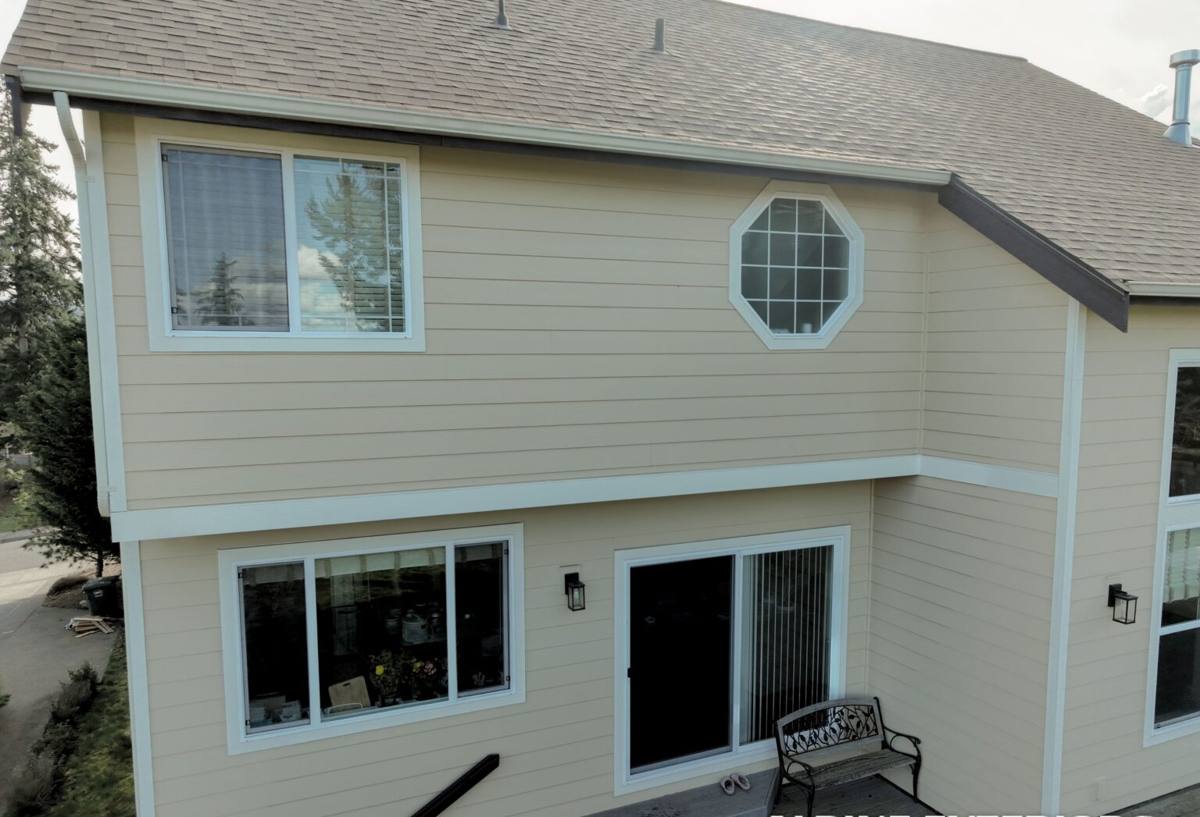
Why Salt Air, Driving Rain, and Moss Are a Tough Combination
Salt Air
Salt-laden moisture from the bay accelerates the breakdown of metal flashing, fasteners, and vent components faster than it does further inland. Standard electro-galvanized nails and cheap flashing can start showing corrosion years before they would on a home in a drier, non-coastal part of the county. Once flashing corrodes, water finds a way under the shingles long before the shingles themselves are worn out.
Driving Rain
Wind-driven rain off the water doesn't just fall straight down — it pushes sideways and works its way under shingle tabs, around penetrations, and into any gap in the underlayment. A roof detailed for calm, vertical rainfall will leak here. Every seam, valley, and penetration needs to be treated as a place water will actively be pushed into, not just a place it might drip past.
Moss Season
Whatcom County's long, wet stretch from fall through spring gives moss and algae months to establish themselves, especially on north-facing slopes and anywhere shaded by trees — which describes a lot of Chuckanut rooflines. Moss doesn't just look bad. It holds water against the shingle surface, lifts tabs as it grows under the edges, and can shorten the usable life of a roof by years if it's never addressed.
What a Correctly Installed Roof Needs Here
A roof that's going to perform in this environment needs more attention paid to the details underneath the shingles than the shingles themselves. The visible layer matters, but it's the system beneath it that actually keeps water out.
- Ice-and-water shield at eaves, valleys, and around every penetration — the areas most exposed to wind-driven rain and ponding.
- Synthetic underlayment rated for the full field of the roof, not just the vulnerable spots, since a shaded roof stays damp longer between rain events.
- Corrosion-resistant flashing and fasteners suited to a salt-air environment, not the cheapest galvanized option.
- Balanced attic ventilation — intake at the eaves, exhaust at the ridge — so moisture from inside the home doesn't condense against the roof deck from underneath.
- Algae-resistant shingle granules on any roof with meaningful tree cover or shade.
- Proper nailing pattern and exposure, since under- or over-driven fasteners are one of the most common causes of early shingle failure in wind-exposed areas.
Choosing Shingles for a Shaded, Salt-Exposed Roof
Not every asphalt shingle product is built the same way, and the differences matter more in a climate like this than they would somewhere drier and sunnier. We walk homeowners through the real trade-offs rather than just quoting whatever is cheapest or most expensive.
| Shingle Type | Typical Lifespan | Best Fit For Chuckanut |
|---|---|---|
| 3-tab shingles | 15–20 years | Budget-conscious projects on less shaded, less wind-exposed sections |
| Architectural (laminated) shingles | 25–30 years | Most Chuckanut homes — thicker profile handles wind-driven rain and moss growth better |
| Premium/designer shingles | 30+ years | Homes wanting a heavier, more dimensional look with the highest wind and impact ratings |
For most homes in this area we recommend architectural shingles with algae-resistant (AR) granules as the baseline, not an upgrade. The added thickness and granule treatment cost relatively little more than a standard 3-tab and directly address the two conditions that shorten roof life here: wind-driven rain and moss.
Our Chuckanut Roofing Process
1. On-Site Inspection
We walk the roof and the attic, not just the roof. Attic ventilation and any signs of moisture from the underside tell us as much as what's visible from a ladder. We also note tree cover, roof pitch, and how exposed each slope is to wind off the water.
2. Honest Scope and Written Estimate
We tell you what actually needs to happen — full tear-off versus repair, deck condition, ventilation changes — before any work starts, with a written scope so there are no surprises mid-project.
3. Tear-Off and Deck Inspection
Old material comes off down to the deck so we can check for rot or soft spots, which are more common under moss-covered sections that have been holding moisture. Any damaged decking gets replaced before anything new goes down.
4. Underlayment, Flashing, and Ventilation
This is where the roof's real weather resistance gets built — ice-and-water shield at vulnerable areas, full synthetic underlayment, corrosion-resistant flashing, and ventilation corrected if the attic showed problems.
5. Shingle Installation
Installed to manufacturer spec for nailing pattern, exposure, and starter courses, since a shortcut here is invisible on day one and shows up as a leak or blow-off two winters later.
6. Cleanup and Walkthrough
Full magnetic sweep for nails, site cleanup, and a walkthrough so you know exactly what was done and what maintenance, if any, to expect going forward.
Signs Your Chuckanut Roof Needs a Closer Look
- Visible moss or algae streaking, especially on shaded or north-facing slopes
- Granules collecting in gutters or at the base of downspouts
- Shingle tabs curling, cupping, or lifting at the edges
- Dark, damp-looking patches on the ceiling or in the attic after heavy rain
- Rusted or corroded flashing around chimneys, vents, or skylights
- A roof over 15–20 years old that hasn't had a professional inspection recently
Any one of these on its own isn't necessarily an emergency, but they're worth having looked at before the next wet season, not after a leak shows up inside the house.
Maintenance in a Moss-Prone, Salt-Air Environment
An asphalt shingle roof in Chuckanut needs a bit more attention than the same roof would somewhere drier and more open, but it doesn't need to be complicated.
- Keep gutters and downspouts clear so water isn't sitting against the roof edge, especially under tree cover.
- Have moss treated and gently removed rather than scraped, which can strip granules and shorten shingle life.
- Trim back overhanging branches where practical to reduce shade, debris, and physical wear on the roof surface.
- Schedule a periodic inspection, particularly after major windstorms off the water.
Why Hiring a Crew That Already Works Chuckanut Matters
A lot of roofing problems in this area aren't caused by bad materials — they're caused by a roof detailed the same way it would be for a dry, open lot somewhere that doesn't deal with salt air or a five-month moss season. A crew that works this specific terrain regularly already knows which slopes need extra ventilation attention, which flashing details hold up against wind-driven rain off the bay, and how tree cover on a given lot is going to affect moss growth over time.
There's also the practical side of it — steep, wooded, hilly lots common around Chuckanut require careful staging and access planning that a crew unfamiliar with the terrain can underestimate, leading to delays or landscaping damage that a locally experienced crew plans around from the start.
What Affects the Cost of a New Roof
| Factor | Why It Matters |
|---|---|
| Roof size and pitch | More surface area and steeper slopes both increase material and labor time |
| Number of existing layers | Tear-off of multiple old layers takes longer than a single-layer removal |
| Deck condition | Rotted or soft decking found during tear-off needs replacement before new material goes down |
| Shingle grade | 3-tab, architectural, and premium products carry different material costs |
| Ventilation changes | Correcting inadequate intake or exhaust ventilation adds labor but protects the new roof |
| Site access | Steep, wooded, or hard-to-stage lots can affect equipment and dumpster placement |
We don't quote a roof off a phone description. Every estimate is based on an actual on-site look at the roof and attic, so the number you get reflects your home, not a generic average.
Warranty and Workmanship
Asphalt shingle roofs typically carry two separate warranties worth understanding: the manufacturer's material warranty covering defects in the shingles themselves, and a separate workmanship warranty covering the installation. Material defects are rare; most roof failures we see trace back to installation shortcuts, not bad shingles. We stand behind our installation work and will walk you through exactly what's covered, for how long, and what voids it, before you sign anything.
If you're weighing options for a roof in Chuckanut, we're happy to take a look and give you an honest read on what it actually needs — no pressure, no hard sell. Use the form below to request a free estimate and we'll get back to you to schedule a time.